
How to Choose the Best Dog Bed Online: What Every Dog Parent Should Know Before Buying


How to Choose the Best Dog Bed Online: What Every Dog Parent Should Know Before Buying
Somewhere between the collar, the leash, the food bowls, and the endless supply of squeaky toys, the dog bed often gets picked last — and picked fast. A quick scroll, a decent-looking photo, an "add to cart," and it's done. Then it arrives, your dog sniffs it once, and either claims it immediately or, more often than pet parents expect, quietly goes back to sleeping on the couch.
A dog bed isn't a small purchase, even when it looks like one. Dogs spend a huge part of their day resting, and the right bed affects everything from joint health to how deeply they actually sleep. If you are shopping for dog beds online for the first time, or replacing one that never quite worked out, this guide walks through exactly what to look for before you buy.
Why Do Dogs Need a Bed in the First Place?
It's a fair question, especially if your dog has spent years happily curling up on the floor, a rug, or your bed. So why does your dog need a bed of their own?
The honest answer is that dogs rest a lot — anywhere from 12 to 18 hours a day, depending on age, breed, and activity level — and where that resting happens matters more than most owners realize. A hard or unsupported surface puts steady pressure on joints, hips, and pressure points, especially in larger breeds. Over months and years, that adds up.
The core benefits of a dog bed come down to a few things:
Joint and spine support, particularly important for large breeds and ageing dogs.
Temperature regulation, keeping dogs off cold tile in winter and providing a slightly cooler, elevated surface in summer.
A sense of security, since dogs are naturally drawn to a defined, enclosed resting space rather than open floor.
Better, deeper sleep, which directly affects mood, behavior, and even how well a dog handles stress or anxiety.
A dog that sleeps well tends to be a calmer, healthier dog. It's a small detail with a fairly large downstream effect.
How to Choose a Dog Bed: The Factors That Actually Matter
With so many pet beds available online, the choice can get overwhelming fast. Here's what to actually prioritize when deciding how to choose the best dog bed for your pet.
1. Size — Get This Right First
Size is the single most common mistake in online dog bed shopping, mostly because it's tempting to guess based on breed alone rather than your specific dog. To choose the right size dog bed, measure your dog while lying down in their natural curled or stretched position, then add roughly 6–12 inches to that length. This gives enough room for them to fully stretch out, which matters more than it sounds — a bed that's too small forces a dog to sleep curled up permanently, which isn't restful sleep, it's cramped sleep.
Best dog bed for small dogs and puppies: a compact, cozy bed with raised edges tends to work well, since smaller breeds and puppies often like to burrow or lean against a bolster while sleeping.
Best dog bed for large dogs: look for a spacious mattress with thicker foam. Large breeds carry more weight per pressure point, so a thin or unsupportive base defeats the purpose fairly quickly.
2. Support and Fill Material
Not all "cushioning" is equal. A cheap polyester-fill bed might look plush on day one, but it flattens fast and offers almost no real support. For a genuinely comfortable dog bed, look at what's actually inside:
Memory foam or orthopedic foam contours to the body and distributes weight evenly, which is especially valuable for senior dogs, large breeds, or dogs recovering from injury or surgery.
A supportive base layer underneath the foam prevents the bed from sagging or losing shape after a few months of daily use.
A sturdy frame, where applicable, keeps the whole bed structurally stable rather than shifting or collapsing under weight.
3. Washability and Everyday Maintenance
However nice a dog bed looks on day one, it needs to survive daily life — shedding, muddy paws, the occasional accident. A removable, machine-washable cover isn't a bonus feature, it's close to essential. Beds without one tend to get replaced far sooner simply because they become difficult to keep clean and odor-free.
4. Breathability and Fabric Feel
Dogs regulate temperature differently than humans do, and fabric choice affects comfort more than most buyers expect. A breathable, soft-touch fabric keeps a dog comfortable in warmer months, while still offering enough coziness for colder ones. If you live somewhere with real seasonal shifts, this is worth weighing alongside foam quality.
5. Design That Fits Your Home
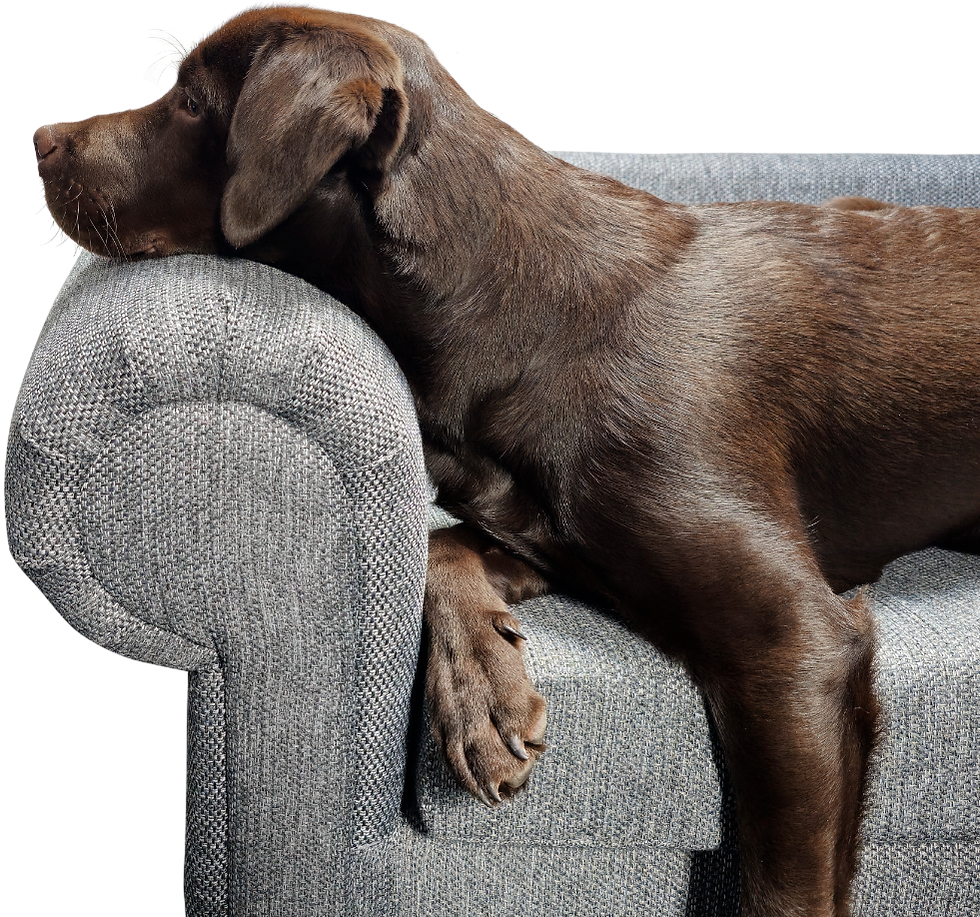
This one's easy to overlook, but it matters for anyone who doesn't want a plastic-looking pet accessory sitting in the middle of their living room. A well-designed dog bed can double as an actual piece of furniture rather than something you tuck out of sight when guests come over. It's a small thing, but it's often the difference between a bed that stays in the main living space — where your dog actually wants to be near you — and one that gets banished to a corner or another room.
Matching the Bed to Your Dog's Life Stage
A single "best dog bed" doesn't really exist, because what's ideal depends heavily on your dog's age and size.
Puppies benefit from a smaller, cozy bed that feels secure, though keep in mind it'll need replacing as they grow.
Adult dogs generally do well with a balanced orthopedic bed that provides both cushioning and enough space to stretch.
Senior dogs benefit most from memory foam or orthopedic support, since joint stiffness and arthritis become more common with age, and a supportive mattress can noticeably ease discomfort.
What This Looks Like in Practice
This is really the thinking behind how Pawzwell approaches its bed range — sizing and support built around a dog's actual life stage rather than a one-size-fits-most approach. Beds are built with dual-layer orthopedic foam and a reinforced frame for genuine joint and posture support, paired with scratch-resistant, easy-to-clean textiles that hold up to daily use. For pet parents comparing dog beds online, that combination of orthopedic engineering and practical, washable materials is usually what separates a bed that lasts a couple of years from one that needs replacing within months.
A Simple Checklist Before You Buy
Before adding any dog bed to your cart, run through this quick list:
Have you measured your dog and sized up appropriately?
Does the bed offer real support (foam, structured base) rather than just soft filling?
Is the cover removable and machine-washable?
Does the fabric suit your climate — breathable for heat, cozy enough for cooler months?
Does it fit the space and style of your home, so it's likely to stay in daily use?
If a bed checks all five, it's very likely to become the spot your dog actually chooses to sleep in — rather than one that ends up ignored in a corner while the couch wins again.
Final Thoughts
Choosing a dog bed online doesn't need to be complicated, but it does deserve a bit more thought than a quick scroll and a tap to buy. Size, support, washability, breathability, and how well it fits your home are the five things worth genuinely comparing. Get those right, and you are not just buying pet furniture — you are improving how well your dog rests every single day.
Frequently Asked Questions
1. Why does my dog need a bed?
Dogs rest 12–18 hours a day, and an unsupported floor puts steady pressure on joints. A proper bed adds support, warmth, and security for better sleep.
2. How do I choose the right size dog bed?
Measure your dog lying down, then add 6–12 inches. That gives enough room to stretch out fully without the bed being oversized.
3. What type of bed is best for dogs?
Orthopedic or memory foam beds are the best all-around pick — they support joints and distribute weight evenly, especially for large breeds and seniors.
4. What should I look for in a dog bed?
Correct sizing, supportive foam, a washable cover, breathable fabric, and a design that fits your home so it actually gets used daily.
5. Are memory foam dog beds worth it?
Yes, especially for seniors or recovering dogs — it contours to the body and eases pressure on hips and joints.
6. Does Pawzwell offer dog beds for different sizes and life stages?
Yes. Pawzwell's range covers small, medium, large, and senior dogs, with orthopedic foam support built in across sizes.
7. What makes Pawzwell dog beds different?
Dual-layer orthopedic foam, a reinforced frame, and scratch-resistant, easy-clean textiles — built for daily use, not just day-one comfort.


Comments